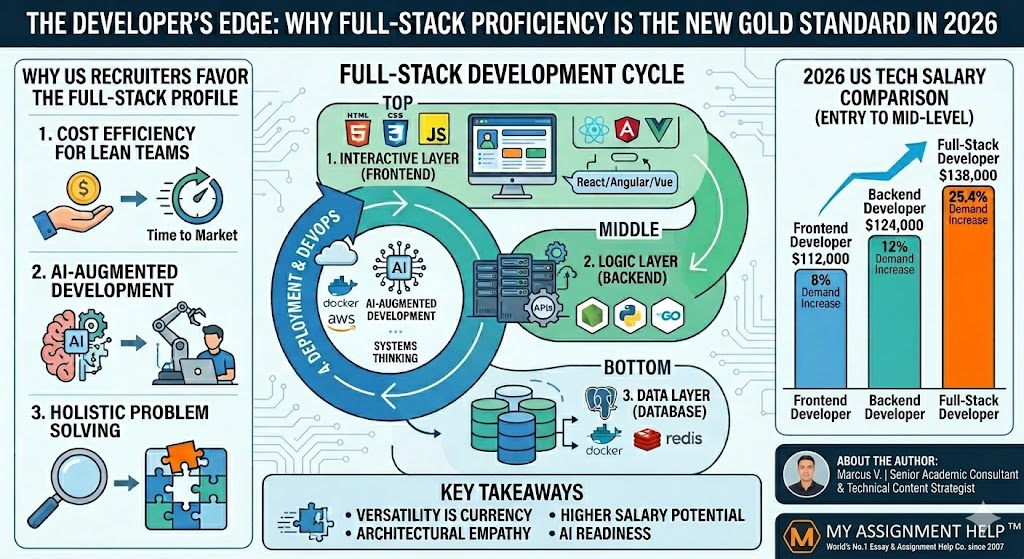
The Innovative Web Toolkit 5544439997 Digital Hub presents a modular platform that unifies diverse development tools with governance at its core. It emphasizes adaptable workflows, scalable interoperability, and traceability across layers. Metadata, access controls, and SLA-backed reliability shape its boundaries, while performance budgets guide deployment. The architecture promises flexibility without fragmentation, yet leaves questions about real-world integration challenges and legacy constraints unresolved, inviting scrutiny from teams intent on balancing speed with principled oversight.
What the Innovative Web Toolkit 5544439997 Digital Hub Solves
The Innovative Web Toolkit 5544439997 Digital Hub addresses a core interoperability problem by consolidating disparate web development tools into a single, modular platform. It clarifies integration paths, enabling teams to pivot rapidly without flooding pipelines with ad hoc glue.
The idea 1: innovative framework and idea 2: scalable architecture underpin adaptable workflows, supporting freedom while demanding disciplined governance and measurable interoperability outcomes.
Core Components That Power the Digital Hub
The Core Components that power the Digital Hub assemble a modular stack designed to balance flexibility with governance. Each layer enforces boundaries while exposing extensibility, enabling rapid iteration without sacrificing accountability. Data governance policies are embedded at the metadata and access levels, ensuring traceability. User experience remains central, guiding interface primitives, latency budgets, and composable services toward predictable, respectful autonomy for developers and users alike.
How to Deploy and Integrate for Peak Performance
Deploying and integrating for peak performance demands a disciplined approach to alignment across layers: compute, data, and service boundaries must be tuned in unison to meet latency budgets, throughput targets, and reliability SLAs.
The piece surveys deployment strategies and performance tuning as foundational crafts, emphasizing critical evaluation, minimal friction, and freedom-respecting choices that avoid overengineering while preserving scalable, robust integration across heterogeneous components.
Real-World Use Cases: From Apps to Data Portals
Real-World Use Cases reveal how a modular web toolkit translates theory into practice, illustrating how apps, portals, and data services coalesce under a unified platform. The narrative examines concrete deployments, emphasizing data governance structures, scalable authentication, and seamless user onboarding to reduce friction. It remains critically objective, highlighting trade-offs between flexibility and control while empowering developers and end-users with principled freedom.
Conclusion
The Innovative Web Toolkit 5544439997 Digital Hub emerges as a quiet fulcrum between flexibility and governance, where modularity meets disciplined oversight. Its layers speak in measured tones—metadata, access controls, traceability—yet hint at emergent interoperability. As deployments scale, latency budgets and SLA-backed reliability sharpen the edge between rapid iteration and dependable delivery. Like a lighthouse in a data storm, the hub alludes to future integrations—where diverse tools converge, and performance becomes a shared, navigable standard.